
Equipment Finance

Unlocking business opportunities almost always involve healthy funding. But this isn’t so easy for many entrepreneurs. Australian small businesses experience issues when applying for loans. In fact, 40% of business borrowers pointed out difficulties in fast-tracking the application and appraisal process, securing reasonable interest rates, and presenting needed collateral.
One crucial loan type is equipment finance. It’s a solution that enables businesses to access essential assets without bearing the upfront costs. Companies aim to have as little upfront costs as possible, and so a financing option like this works to avoid incurring too much expense for tools and equipment.
Let’s explore how equipment finance works, what types of purchases are allowed under this financing, and what eligibility criteria do businesses need to leverage this business loan.
What is equipment finance?
Equipment finance is a business loan that lets your company purchase business equipment, tools, or fixtures and use these purchased assets as security for the loan. The equipment itself often serves as collateral for the loan. And depending on the type of asset purchased, the business may be able to take ownership of the tool or equipment at the end of the loan term.
Equipment finance works when you need to bolster daily operations, are ready for an expansion, or a specific innovation that requires certain tools.
How is financing different from leasing equipment?
Both financing and leasing allow your business to access needed equipment.
The difference is a lease works as a rental agreement, while financing lets you own the tool or business equipment outright.
Leasing comes with monthly repayment towards the equipment. Depending on the terms of the lease, you can either rent it over a given period and return it afterward or own the equipment with a balloon payment at the end of the lease period.
On the other hand, financing is the process of borrowing money to purchase machinery. This will typically cost more each month but may result in lower costs overall.
The fact that you own the equipment outright means there aren’t any instances when you may lose access to it, unlike in a lease arrangement. And if it is unlikely to be unrepairable or obsolete, the loan makes it easier to own the equipment – you can then use it or sell it, whatever you intend to do over the years.
Which one is better for your business? It depends on the kind of equipment you need, how you want to manage the payments, and how the industry you are in changes its tools.
Some equipment, like machinery, is durable and may last decades with proper maintenance. These are if you prefer to own the tool faster or to rent it for a given period. Office technology, including printers, laptops, maybe better leased as technology advances quickly and turns these tools obsolete faster.
What can be purchased with equipment finance?
The scope of assets acquired through equipment finance is diverse and spans various industries. Some common examples include:
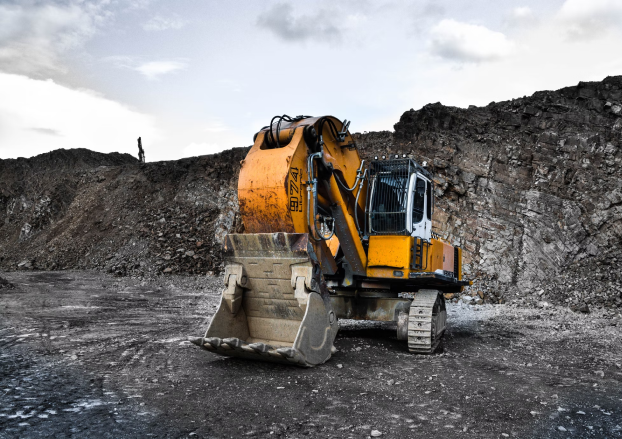
Machinery and heavy equipment: Industries such as manufacturing, construction, and agriculture can utilize equipment finance to acquire civil equipment like quarry machinery, excavators, concrete pumping, tractors, and more.
Technology and IT equipment: Businesses can invest in computers, servers, software, and other technology essentials critical for modern operations.
Business vehicles: Fleet vehicles, trucks, and specialized vehicles can be obtained through equipment finance, serving transportation and logistics needs.
Medical equipment: Healthcare providers can access advanced medical devices, diagnostic tools, and equipment through tailored financing options.
Business-related equipment: Tools essential in the hospitality and retail sectors can include restaurant kitchen appliances, POS systems, and store fixtures.
Equipment financing may also need to meet a minimum amount, as not all equipment would need a loan to be purchased. Some tools may be too inexpensive to either finance or lease. Check out our Equipment Finance Calculator to get an estimate of how your repayments would look like.
Who is eligible for equipment finance?
Eligibility criteria for equipment finance can vary based on the lender and the specific terms of the loan. However, common eligibility factors include:
- Business Operations – Lenders typically require businesses to be operational for a certain period, indicating stability and the ability to generate income. If the company is at least two years in operations, you can apply for financing.
- Creditworthiness – While credit requirements may vary, a healthy business credit history can increase the likelihood of loan approval and favorable terms. Personal credit score may also be assessed.
- Proof of loan repayment capability – Businesses might need to provide financial statements, such as balance sheets and income statements, to demonstrate their financial health and ability to repay the loan. An annual loan of $50,000 or more should suffice when applying for equipment financing.
- Business plan – Some lenders might request a business plan outlining how the acquired equipment will contribute to business growth and profitability.
- Collateral – The equipment being financed often serves as collateral, reducing the lender’s risk. This means the lender can repossess the equipment if the borrower defaults on the loan.
What are the advantages of equipment finance?
- Equipment ownership – This business loan enables you to acquire the machinery or tool at the end of the loan term that would otherwise be too expensive to purchase without the financing.
- Preservation of capital – Instead of making a large payment upfront, clients can use the financing to spread cost over time and make payments more practical. This ensures funds remain available for other operational expenses.
- Cash flow – Equipment financing offers predictable monthly payments, making it easier for businesses to budget and manage their cash flow. This stability is particularly advantageous for small and medium-sized enterprises (SMEs).
- Tax benefits – Depending on the structure of the financing agreement and local tax regulations, businesses may be able to claim tax deductions on equipment financing payments, reducing their overall tax liability.
- Preserved credit lines – Utilizing equipment financing means businesses don’t need to tap into their existing lines of credit, which can be crucial for covering other operational expenses or unexpected emergencies.
What about the cons?
- Loan cost – While equipment financing spreads the cost over time, it might end up being more expensive in the long run due to interest payments. Borrowers should carefully evaluate the total cost of financing compared to the outright purchase price.
- Interest rates – Interest rates associated with equipment financing can vary based on factors such as the borrower’s creditworthiness and the lender’s terms. Businesses with lower credit scores might face higher interest rates, impacting the overall cost.
- Collateral – Equipment financing often requires the equipment itself to serve as collateral. If the business defaults on payments, the lender may repossess the equipment, which could disrupt operations.
- Possible penalties – Businesses need to carefully review the terms and conditions of the financing agreement. Some agreements might include penalties for early repayment or stipulations regarding equipment maintenance and insurance.
- Depreciation – The value of certain types of equipment can depreciate rapidly over time. If the equipment’s value declines significantly, the business might end up owing more on the loan than the equipment is worth.
What are tax implications?
Business loans will have varying rules regarding tax write-offs. For equipment finance, ongoing repayments for the machinery would not be tax deductible. You could, however, claim tax breaks on asset depreciation and interest rates. Equipment finance also benefits from GST lump sum credit, so your business may be keen to make the large sum to take advantage of the write-off.
Following Australia’s 2021 Federal Budget, the temporary full expensing (TFE) rule no longer places a cap on any asset write-off. This means businesses are allowed to claim a write-off for an asset regardless of its cost – the scheme applies to businesses with a turnover of less than $5 billion.
Before going ahead with your equipment financing, it’s best to speak to your accountant and a business loan professional about how you can make the most of the tax implications.
Want to explore equipment finance? Talk to our business loan experts. We aren’t tied to any lender but can navigate a network of the most trusted financial institutions and specialist lenders in Australia. We can help you choose an option that is the best for your industry, your credit standing, and your overall needs. You can call us today! We’d love to talk to you.
